
Turning the Tide Effective Strategies for Gambling Addiction Recovery
Understanding Gambling Addiction
Gambling addiction, often referred to as compulsive gambling, is a behavioral disorder that can have severe psychological and financial repercussions. Individuals struggling with this addiction experience an uncontrollable urge to gamble, even when it leads to negative outcomes such as debt or strained relationships. Recognizing the signs of gambling addiction is the first step towards recovery. Symptoms may include preoccupation with gambling, a need to gamble with increasing amounts, and engaging in reckless behavior to chase losses. Many players find that exploring various types of pokies can lead to a better understanding of the issues at hand.
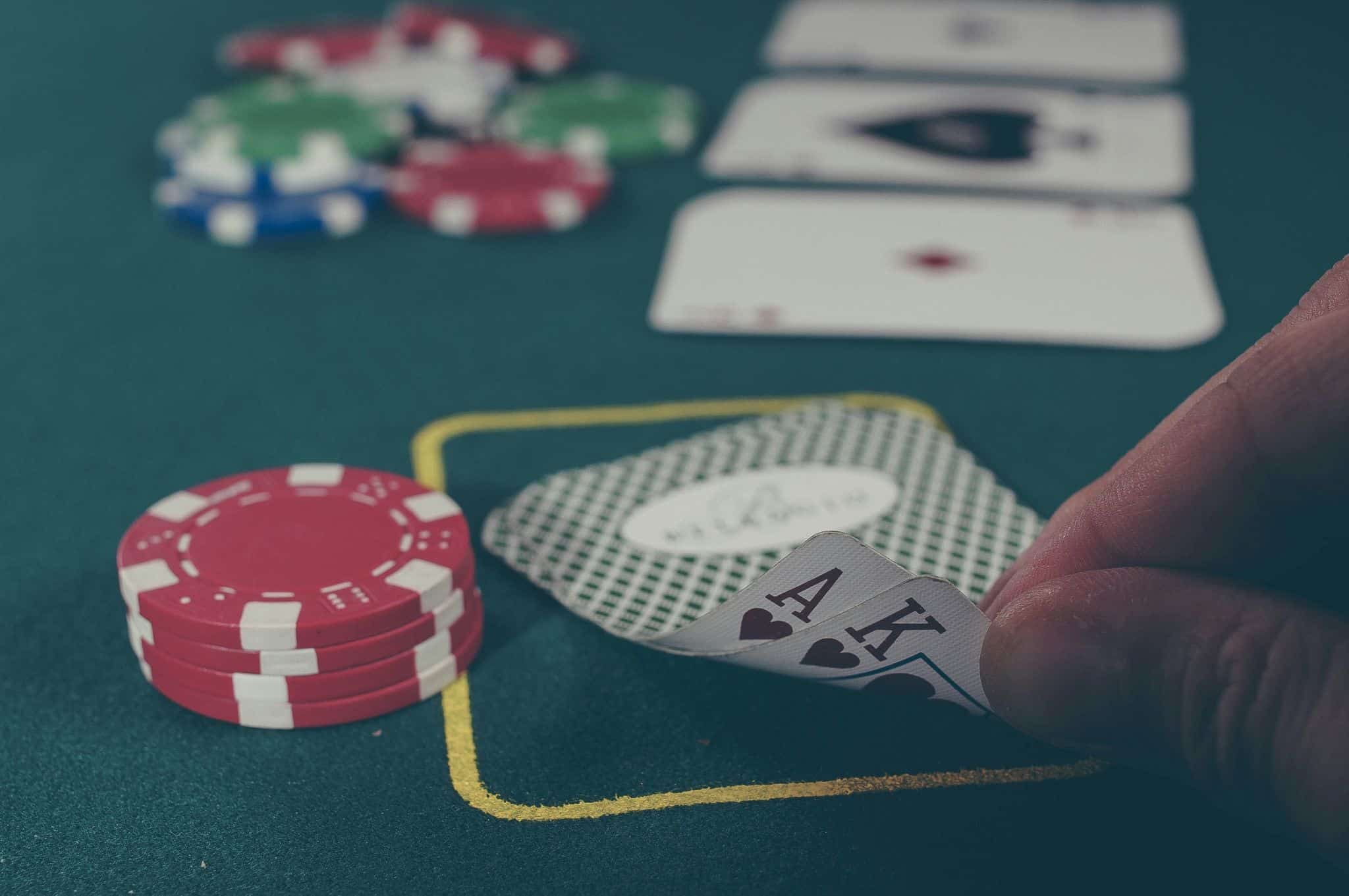
Understanding the underlying factors that contribute to gambling addiction is crucial for effective recovery. Many people turn to gambling as an escape from stress, anxiety, or depression. Identifying these triggers allows individuals to develop healthier coping strategies, reducing the likelihood of relapse. A comprehensive understanding of one’s relationship with gambling can empower individuals to take proactive steps towards change.
Seeking Professional Help
One of the most effective strategies for overcoming gambling addiction is seeking professional help. Therapists and counselors who specialize in addiction treatment can provide valuable support and guidance. Cognitive-behavioral therapy (CBT) is often employed in these settings, helping individuals recognize and alter harmful thought patterns and behaviors related to gambling.
Support groups also play a vital role in recovery. Organizations like Gamblers Anonymous provide a community for individuals to share their experiences, gain insight from others, and find encouragement. The shared understanding and camaraderie often foster a sense of belonging that can be pivotal in the recovery journey.
Building a Supportive Environment
A strong support system is essential for anyone recovering from gambling addiction. Family and friends can offer emotional support, but they must also understand the challenges involved in recovery. Open communication about feelings, struggles, and progress can strengthen these relationships and provide much-needed encouragement.
Creating a gambling-free environment is another crucial step. This may involve avoiding places where gambling occurs and distancing oneself from individuals who engage in gambling behavior. Instead, finding new activities or hobbies can fill the time previously spent gambling, thereby reducing cravings and enhancing overall well-being.
Developing Healthy Coping Mechanisms
Recovery from gambling addiction often requires developing healthier coping mechanisms to deal with stress and anxiety. Instead of turning to gambling, individuals can explore various activities that promote relaxation and well-being, such as exercise, meditation, or engaging in creative hobbies. These alternatives can provide a sense of fulfillment and distract from the urge to gamble.
Mindfulness practices can also be beneficial in recovery. Techniques like deep breathing and meditation help individuals stay present and manage cravings more effectively. By learning to navigate their emotions without resorting to gambling, individuals can gain greater control over their impulses and make positive life choices.
Discovering Resources and Supportive Communities
Finding reliable resources and supportive communities is vital for those on the path to recovery from gambling addiction. Websites dedicated to addiction recovery often provide educational materials, hotlines, and forums where individuals can share their stories and experiences. Engaging with these communities can foster a sense of belonging and remind individuals that they are not alone in their struggle.
Moreover, utilizing online resources can help individuals stay informed about recovery strategies, treatments, and personal stories of resilience. These platforms offer tools and insights that encourage ongoing growth and learning, vital components in the recovery process. Seeking out and participating in these supportive communities can enhance one’s journey towards a healthier, gambling-free life.

 No 285, Phuc Loi Street, Long Bien District, Hanoi City, Vietnam
 sales@st4ijsc.com
 +84 96 5698 895 /


Leave A Comment