
The cultural influence of gambling across societies
Historical Context of Gambling
The history of gambling dates back thousands of years, with evidence found in ancient civilizations such as China, Egypt, and Rome. These societies utilized various forms of gambling as a means of entertainment and social interaction. Dice and betting games became integral parts of cultural rituals, often associated with luck and fate, reflecting the human desire for fortune and excitement. In contemporary settings, the aviator game has also begun to attract interest, blending traditional aspects with modern gameplay.
As societies evolved, so did their gambling practices. In medieval Europe, gambling was often linked to social status, with nobility participating in games of chance that were exclusive and extravagant. The cultural significance of gambling shifted, representing both a leisure activity and a means to showcase wealth. This evolution highlights how deeply gambling is woven into the social fabric of various cultures.
The Role of Gambling in Modern Society
Today, gambling has become a global phenomenon, encompassing a variety of forms from casinos and sports betting to online platforms. In many cultures, it serves as a source of entertainment and camaraderie, fostering connections among participants. However, it also raises concerns about addiction and financial management, prompting societies to reflect on the implications of such activities.
Modern gambling also interacts with technology, creating new avenues for engagement. The rise of online gambling platforms and mobile apps has democratized access to these activities, making them more appealing to younger generations. This shift has sparked debates about the cultural impact of digital gambling and its potential to normalize risk-taking behaviors.
Cultural Variations in Attitudes Towards Gambling
Different societies exhibit varying attitudes toward gambling, influenced by cultural norms, religious beliefs, and economic factors. In some cultures, gambling is celebrated as a traditional pastime, while in others, it is viewed with skepticism or outright disapproval. For instance, in many Asian cultures, gambling is intertwined with festivals and celebrations, often seen as a way to attract good fortune.
Conversely, in regions where gambling is prohibited or heavily regulated, such as certain Middle Eastern countries, the social stigma surrounding it can lead to underground gambling activities. This dichotomy illustrates how cultural values and legal frameworks shape societal attitudes toward gambling, influencing the ways in which people engage with it.
The Impact of Gambling on Economy and Community
Gambling can have significant economic impacts, providing revenue for governments and creating job opportunities within local communities. In regions where gambling is legalized, tax revenues can fund public services and infrastructure. This financial contribution often leads communities to embrace gambling as a legitimate business sector, despite the potential social risks associated with it.
However, the benefits are not without drawbacks. Communities must also confront issues such as gambling addiction and its impact on families and social cohesion. The balance between economic gains and social responsibility remains a critical conversation, prompting societies to explore sustainable practices in the gambling industry.
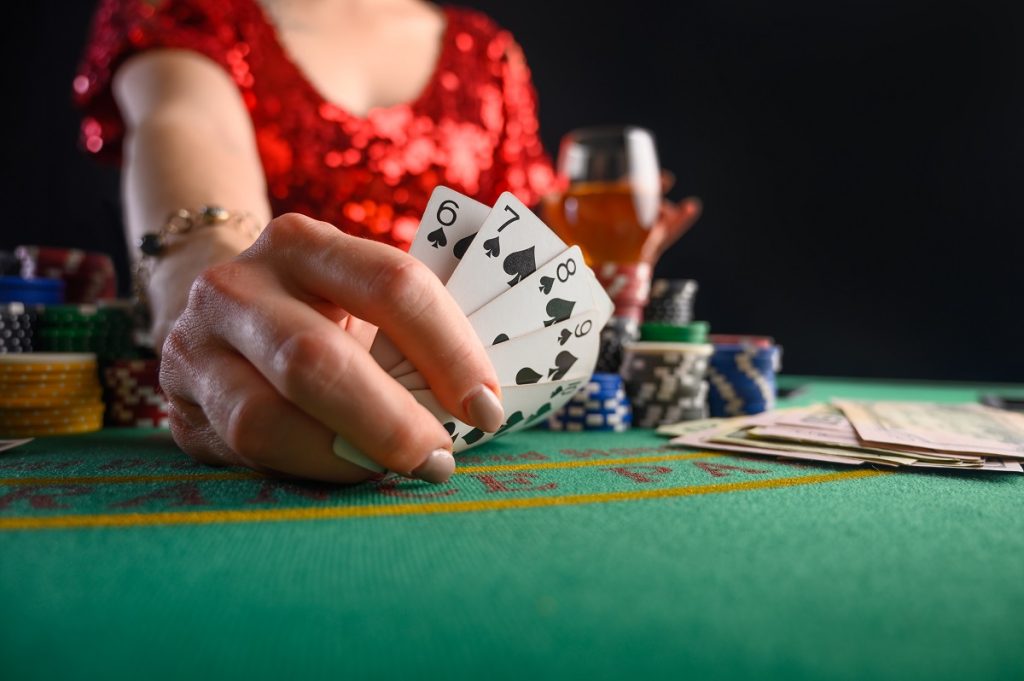
Engaging with Aviator Game
Aviator Game represents a unique entry point into the world of online gambling, specifically designed for players seeking an engaging crash game experience. With simple rules and the potential for substantial winnings, it embodies the thrill that draws many to gambling. The platform emphasizes safety and user experience, helping players navigate their gambling journey responsibly.
By providing comprehensive guides and support, Aviator Game ensures that users can make informed choices about their gambling activities. Whether you are a novice or an experienced player, the site aims to enhance your experience while encouraging responsible gaming practices. This approach not only fosters enjoyment but also addresses the cultural and social implications of gambling in today’s society.

 No 285, Phuc Loi Street, Long Bien District, Hanoi City, Vietnam
 sales@st4ijsc.com
 +84 96 5698 895 /


Leave A Comment