
Exploring diverse cultural perspectives on gambling practices worldwide
The Historical Context of Gambling
Gambling has existed in various forms throughout history, often reflecting the cultural values and social norms of societies. Ancient civilizations, such as the Chinese and Romans, integrated gambling into their social practices, using it as a form of entertainment and a method to resolve disputes. This long-standing tradition illustrates how gambling has evolved, shaped by regional customs and economic conditions. Many players now enjoy platforms that offer a fast withdrawal casino experience for those eager to access their winnings quickly.

In the Western world, gambling has often been associated with concepts of luck and fate, while many Eastern cultures view it through the lens of strategy and skill. As societies evolved, so did the regulations and moral implications surrounding gambling. This historical backdrop is essential to understanding contemporary gambling practices and the diverse attitudes toward it around the globe.
Cultural Variations in Gambling Practices
The practice of gambling varies widely across cultures, each embedding unique values and beliefs into its approach. In the United States, for instance, gambling is often linked to entertainment and economic opportunities, heavily regulated and commercialized through casinos and online platforms. In contrast, some cultures, particularly in the Middle East, may regard gambling as taboo, associated with moral decline and social issues.
Countries like Japan approach gambling with a mix of acceptance and regulation, allowing specific types of gambling, such as pachinko, while prohibiting others. This spectrum of attitudes highlights how cultural contexts shape not only the legality but also the popularity and practice of gambling worldwide.
The Role of Technology in Modern Gambling
The advent of technology has transformed gambling, making it more accessible and varied than ever before. Online casinos have expanded the reach of gambling to a global audience, allowing players from different cultures to engage in shared experiences while still reflecting their local customs. This technological shift has also raised questions about the implications of gambling addiction, particularly among younger generations.
Furthermore, mobile gaming applications have integrated social elements that encourage a community experience, blurring the lines between traditional gambling practices and modern entertainment. This evolution has not only altered player behavior but also how different cultures interact with and perceive gambling.
The Intersection of Gambling and National Identity
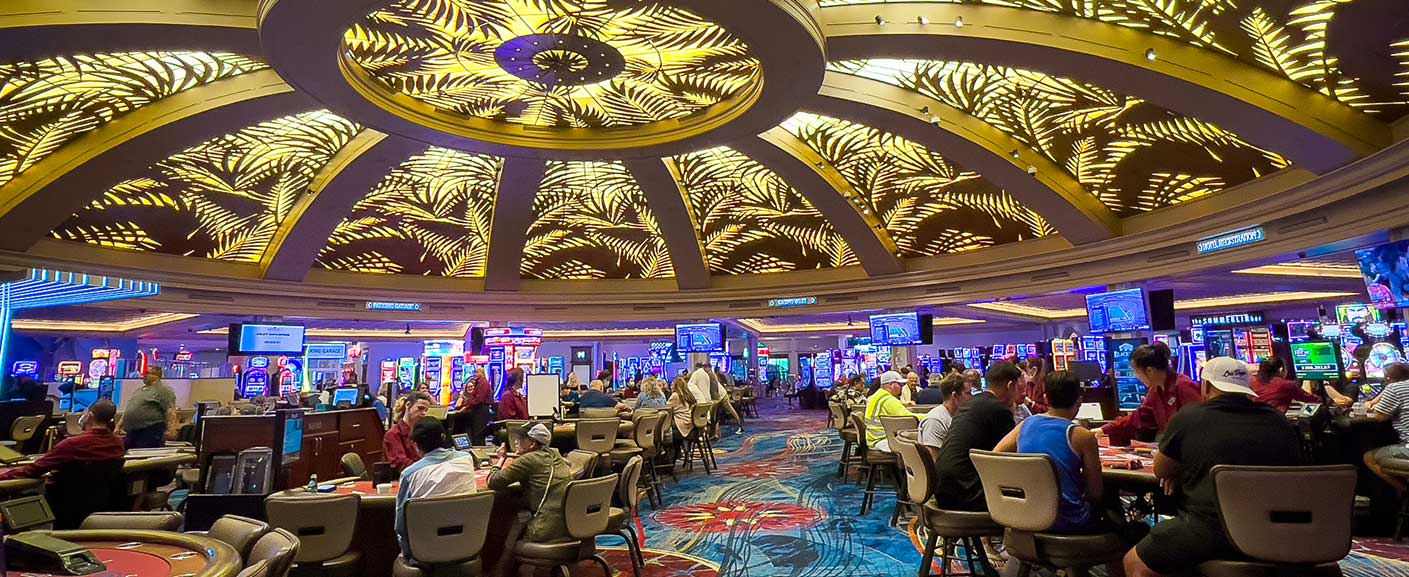
In several countries, gambling is intertwined with national identity and pride. For instance, in countries like Monaco and Las Vegas, gambling is a fundamental part of the local economy and tourism strategy, often portrayed as an emblem of luxury and excess. In these contexts, gambling is celebrated, and casinos are seen as symbols of sophistication and lifestyle.
Conversely, in regions where gambling is prohibited, such as certain Islamic countries, national identity may lean towards rejecting gambling entirely, viewing it as inconsistent with cultural values. This divergence creates a fascinating dynamic in how gambling is perceived, accepted, or rejected in different societies worldwide.
Understanding the Impact of Cultural Perspectives on Gambling
The complex interplay of cultural perspectives significantly impacts how gambling is regulated and practiced globally. Understanding these cultural nuances is vital for organizations involved in the gambling industry, from casino operators to regulators. By respecting local customs and beliefs, stakeholders can create more responsible gambling environments that cater to the unique needs of each community.
Moreover, the rising popularity of online gambling platforms necessitates a deeper awareness of cultural sensitivities, encouraging operators to tailor their services and marketing strategies to align with regional values. In this way, fostering cultural understanding can lead to a healthier gambling landscape worldwide.

 No 285, Phuc Loi Street, Long Bien District, Hanoi City, Vietnam
 sales@st4ijsc.com
 +84 96 5698 895 /


Leave A Comment